
THE LAROCHE LAB is a medical entomology and clinical bacteriology laboratory based at the University of Texas Medical Branch, focused on the ecology, virulence, and control of neglected vector-borne bacterial pathogens.
We mostly study the impact of these pathogens in populations with limited access to healthcare.
We conduct this work in The United States, Latin America, West Africa, and East Africa

Maureen M. Laroche, MS, PhD, FRES
Principal Investigator
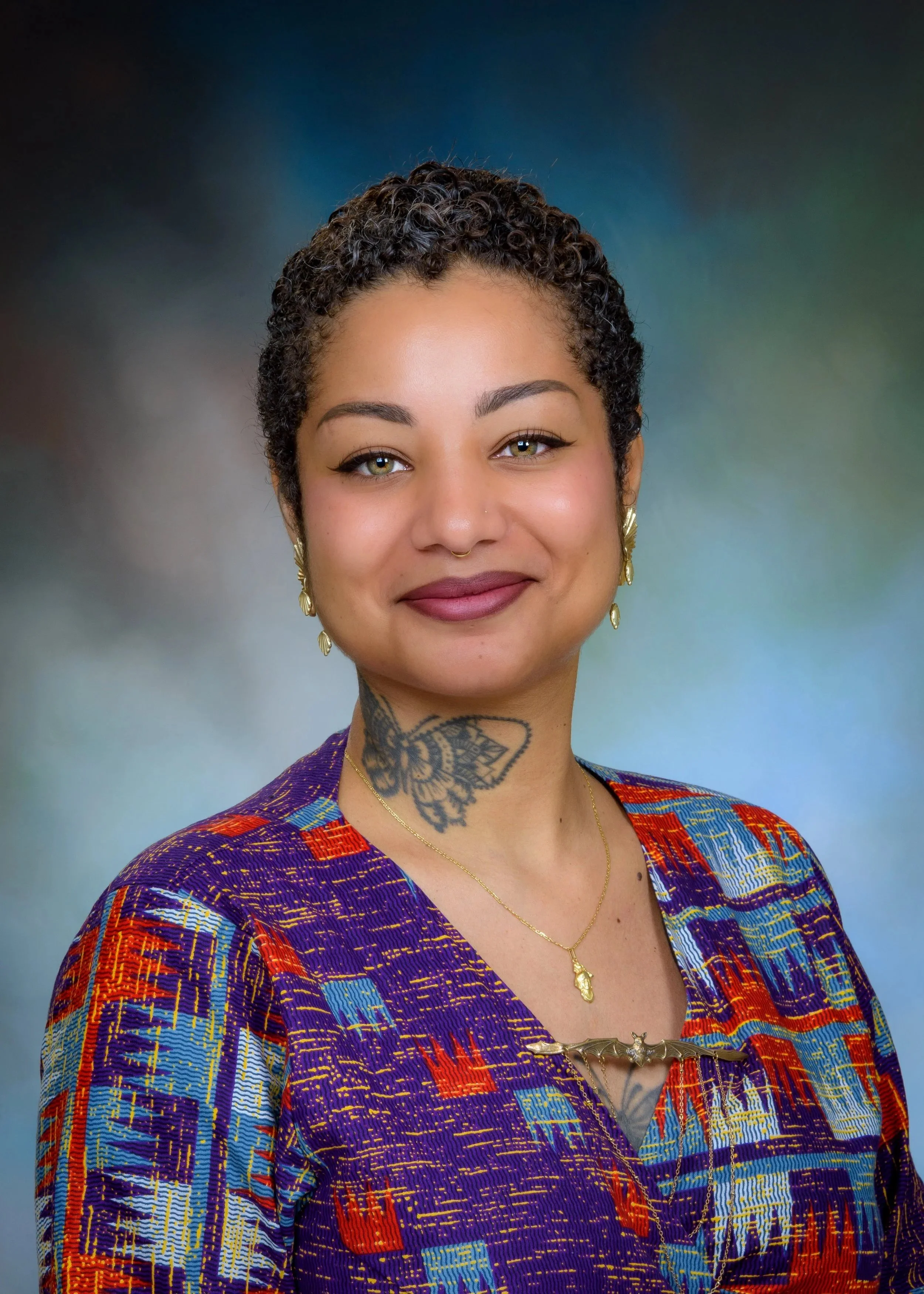
Dr. Laroche is an Assistant Professor in the Department of Microbiology & Immunology at UTMB. She holds three adjunct appointments: one in the Department of Population Health and Health Disparities at UTMB, in CLIMA at the Universidad Peruana Cayetano Heredia (Peru), and in the Paul Allen School of Global Health of Washington State University.
She's a Medical Entomologist and Clinical Bacteriologist from Martinique (French Caribbean). Her research focuses on the ecology and management of vector-borne bacterial pathogens, especially in vulnerable populations.
She holds a BSc in clinical bacteriology, a MSc in Infectious Diseases (Microbiology and Outbreak Control/Medical Entomology) and a PhD in Infectious Diseases (Medical Entomology).
During her PhD, she worked on the development of MALDI-TOF mass spectrometry databases for the identification of arthropod vector species, their associated bacterial pathogens, and their blood meals, as well as other entomological endpoints. She also described new bacterial species in ectoparasites and evaluated their vector role.
She has worked in multiple African countries and conducted various activities, ranging from arthropod containment facility design and auditing to developing platforms for mosquito vector surveillance.
She now investigates the ecology and characteristics of vector-borne bacteria that disproportionately impact vulnerable populations. In addition, she studies the risk of (re)-emergence of vector-borne pathogens in complex environments such as ecotones or agricultural settings.
Dr. Laroche is particularly passionate about international public health, decolonizing science, and other initiatives aimed at reducing inequities in Academia.
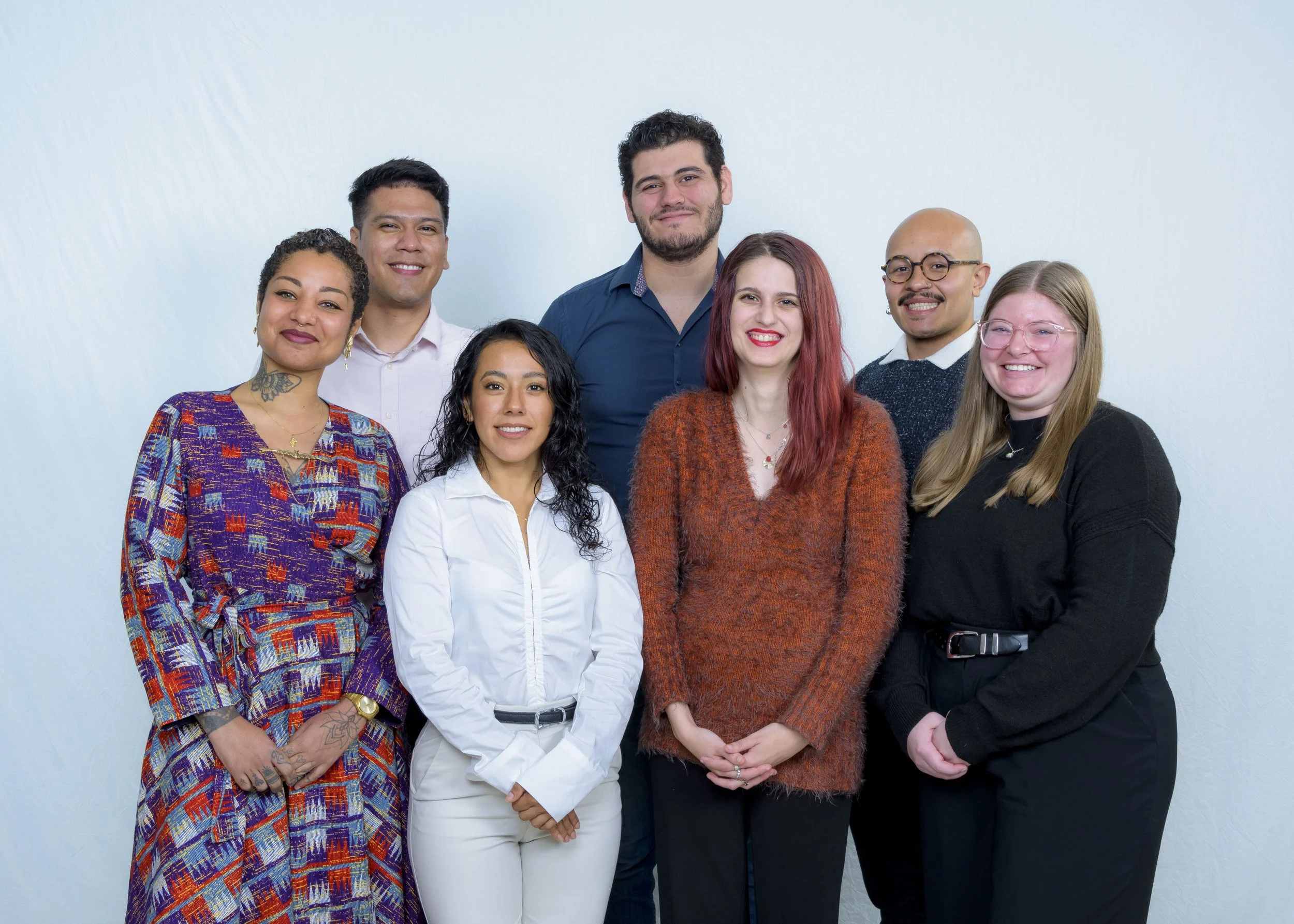
The Team
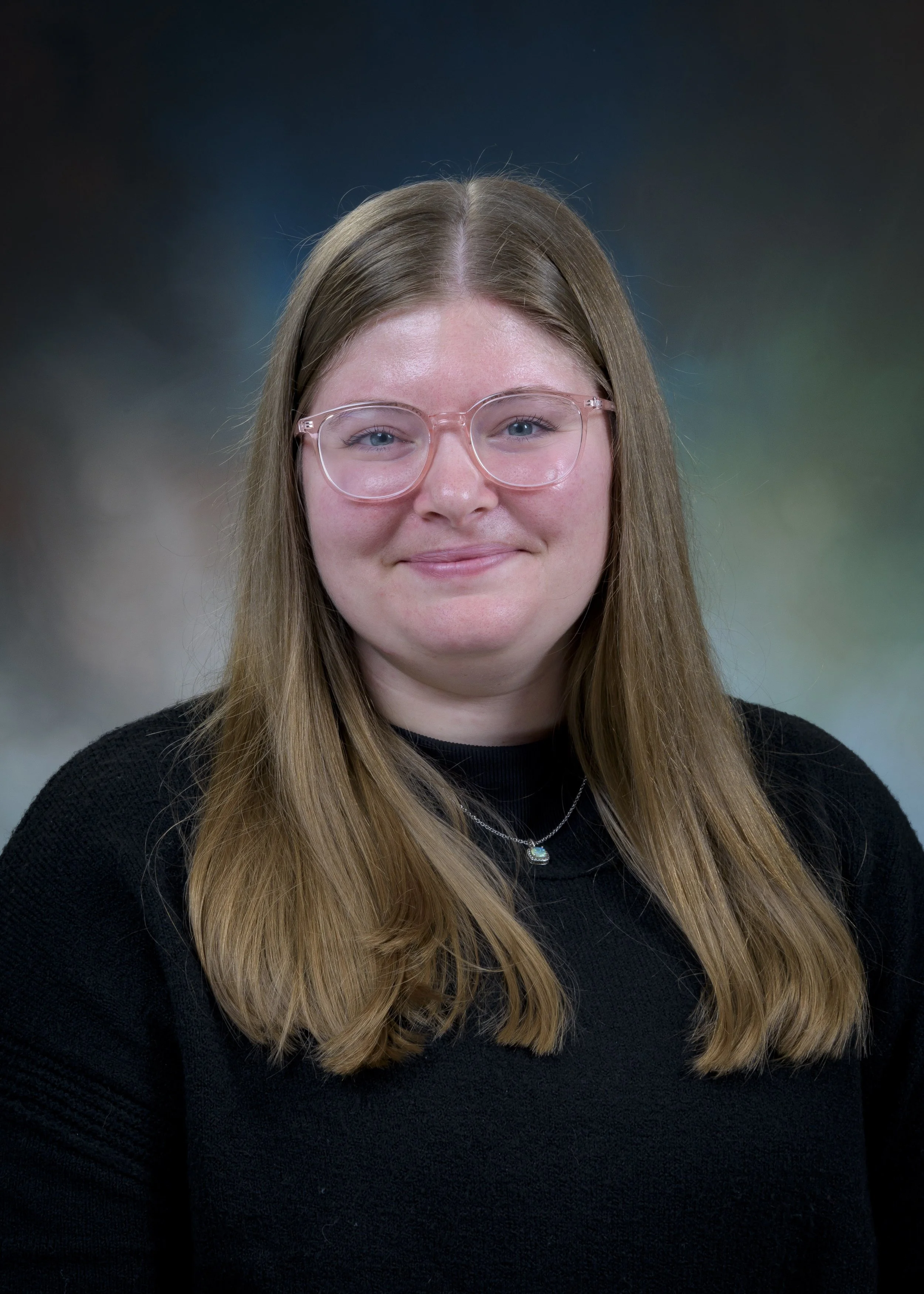
Amber Holley
Amber is a UTMB Experimental Pathology graduate student who joined the lab in 2024.
She obtained her M.S. from Valdosta State University where her research focused on determining the role of Anopheles quadrimaculatus s.l. mosquitoes in canine heartworm transmission, and the environmental factors that influence West Nile virus transmission. Her research interests include vector-pathogen and host-pathogen interactions. Amber’s PhD focuses on improving our understanding of bartonellosis from critical angles: species virulence and angiogenic potential, understudied clinical manifestations, and broad ecology (vectors and prevalence).
She is also involved in the development of surveillance tools for vector-borne diseases.
Amber has now gained expertise in various types of assays and developed multiple approaches to study bacterial pathogenesis in chicken eggs.
Since joining, she has served as our team's U.S. Ambassador, as she remains the only U.S.-born member of our lab.
Graduate Student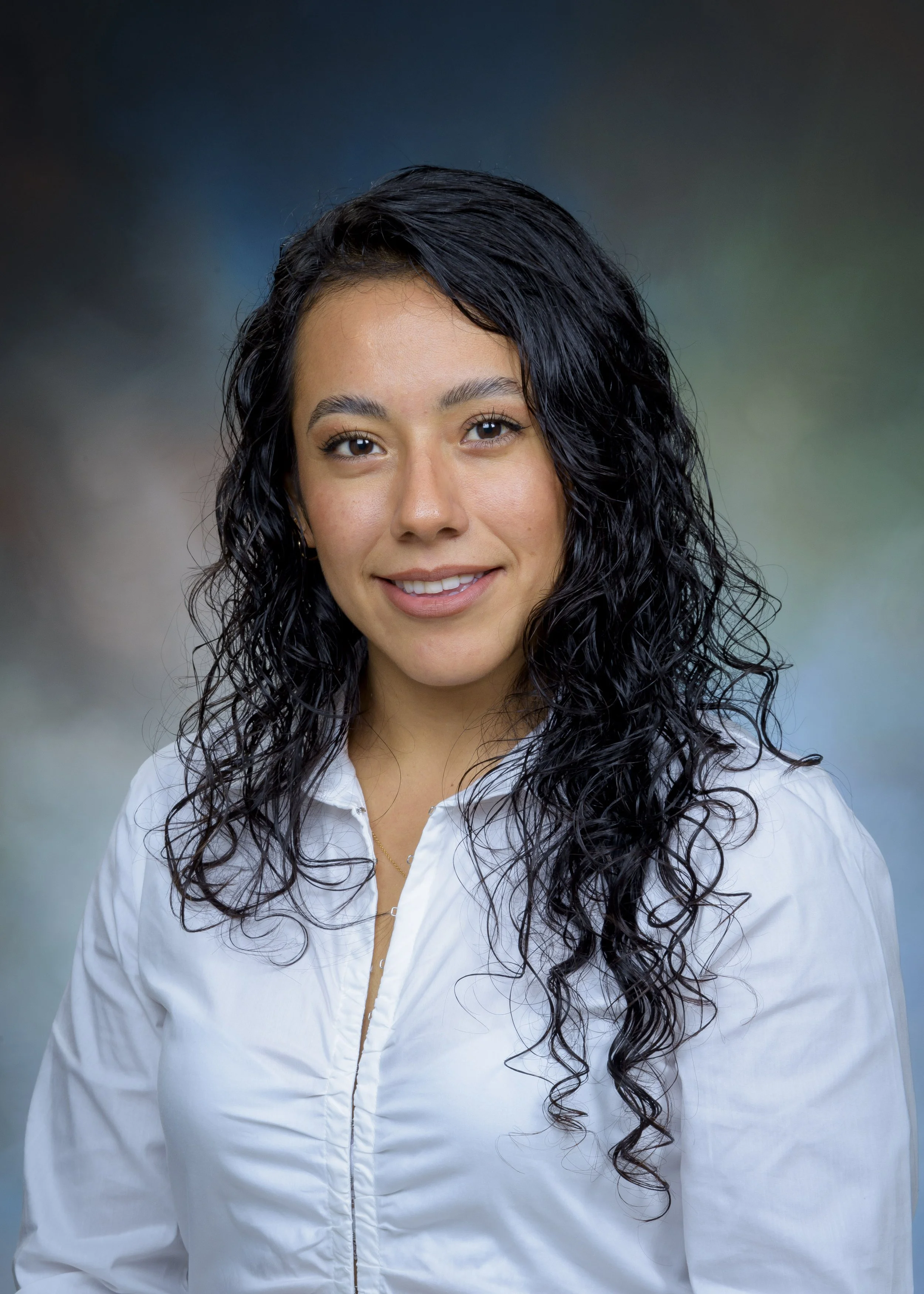
Winnie Contreras
Winnie was born and raised in Peru.
Winnie is enrolled as a PhD student in epidemiology at the Universidad Peruana Cayetano Heredia (UPCH), Lima. Her interests are in the epidemiology and enzootic ecology of infectious diseases transmitted by ectoparasites. Her previous research is grounded in a One Health approach, focusing on the detection of Babesia and molecular characterization of Rickettsia in humans, rodents and ticks from Andean communities of the Peruvian coast. Dr. Contreras has actively contributed to a project investigating the impact of land use changes on vector-borne disease transmission, led by researchers at Stanford University and UPCH, and funded by the National Science Foundation (NSF).
Since joining our lab, Winnie has focused her research on the role of rodents as reservoirs of zoonotic pathogens in urban and peri-urban environments.
Winnie is our go-to veterinary encyclopedia of wild, small mammals, and sees beauty in all these little critters.
Graduate Student
Prem Lamichhane
Prem was born and raised in Nepal.
He obtained a PhD in Medical Microbiology under the mentorship of Prof. Pilaipan Puthavathana at Mahidol University, Thailand. Following his PhD, he worked as a lecturer in a Medical School back in Nepal and moved to the United States in 2019 for postdoctoral training. His postdoctoral research focused on innate immunity at the University of Tennessee Health Science Center, Memphis, and St. Jude Children’s Research Hospital. After moving back to Nepal, right after the first wave of COVID19, due to family responsibilities, he joined UTMB as a Research Scientist in the lab of Dr. Parimal Samir focusing on cellular stress, innate immunity, and regulated cell death signaling during microbial infection.
Prem recently joined my lab as a Research Scientist and has started exploring molecular pathogenesis questions in tick-borne diseases (TBDs), mainly from an immunological perspectives. He is particularly interested in studying alpha-gal syndrome (AGS), also called “red meat allergy”, from the identification of ecological factors contributing to AGS emergence to understanding immunopathogenesis of TBDs, including AGS.
Research Scientist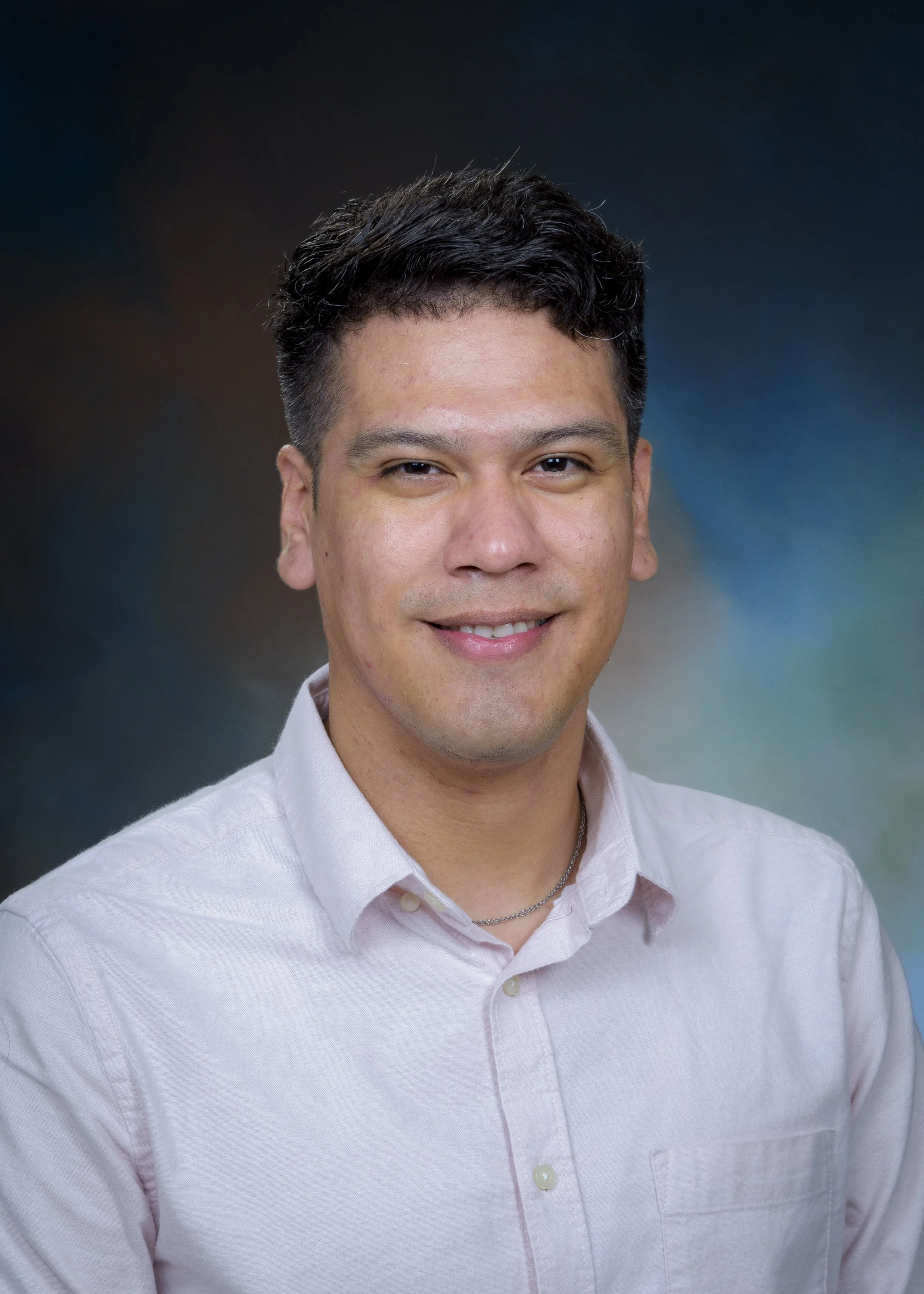
Oliver Bocanegra Maldonado
Oliver was born and raised in Peru.
Oliver is a Graduate Student in the Department of Microbiology & Immunology at UTMB who worked with us remotely from Peru for a year during his MSc before fully joining us as a lab member.
Oliver’s previous research focused on improving molecular detection techniques for malaria using saliva samples, standardizing loop-mediated isothermal amplification (LAMP) for rapid malaria diagnosis and surveillance of multidrug resistance genes of Plasmodium vivax in the Peruvian Amazon. Oliver is particularly interested in the emergence of vector-borne bacterial agents in complex environments such as ecotones.
Oliver will now work on the (re)emergence and management of Q fever in agricultural environments in the U.S. and Latin America.
Graduate Student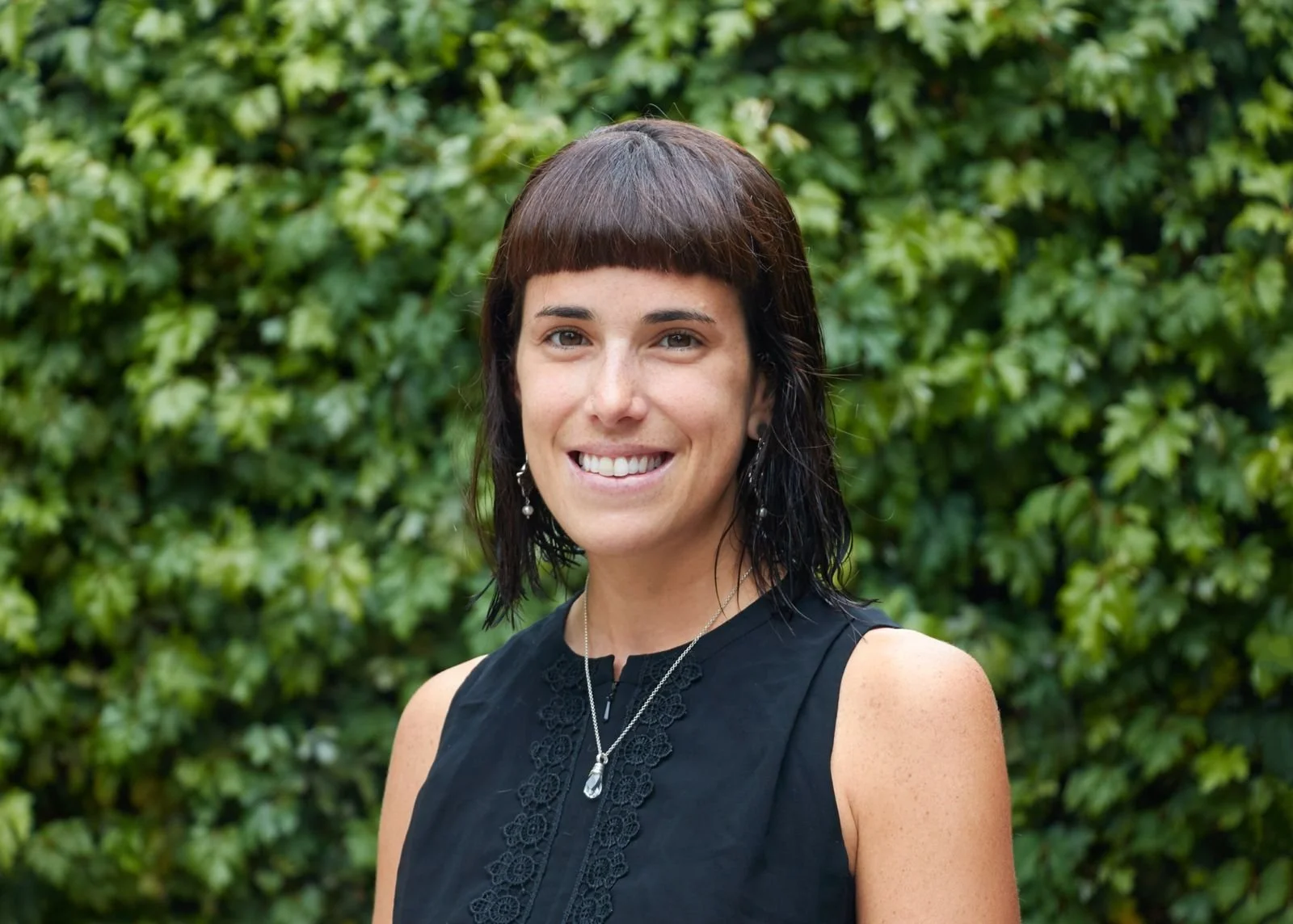
Cusi Ferradas Carrillo
Cusi was born and raised in Peru.
Cusi obtained her DVM in Peru, her MPH from Johns Hopkins University, and her PhD in Epidemiology from UC Davis. She started working with our lab during the last two years of her PhD.
Cusi’s previous research focused on improving the diagnosis of toxoplasmosis, as well as studying the risk factors for multidrug-resistant Staphylococcus carriage among domestic animals. While pursuing her MPH, Cusi was an intern at the Department of Zoonotic and Vector-Borne Diseases at the Maryland Department of Health. Cusi has been working on ectoparasite-borne diseases since 2019, when she obtained the GloCal Health Fellowship with the project “The role of domestic animals and rodents in the ecology and epidemiology of rickettsias in the Peruvian Amazon basin.” For her doctoral thesis, she studied the spatial distribution of genetic lineages of the brown dog tick (Rhipicephalus sanguineus) in Peru and the human, dog, and environmental risk factors for Ehrlichia canis infection in the Peruvian Amazon Basin.
She is now a Postdoctoral Fellow in our lab, working on various projects related to Knowledge, Attitudes and Practices in regard to tick-borne diseases, but also studying animal reservoirs of zoonotic bacterial pathogens in Peru.
Postdoctoral Fellow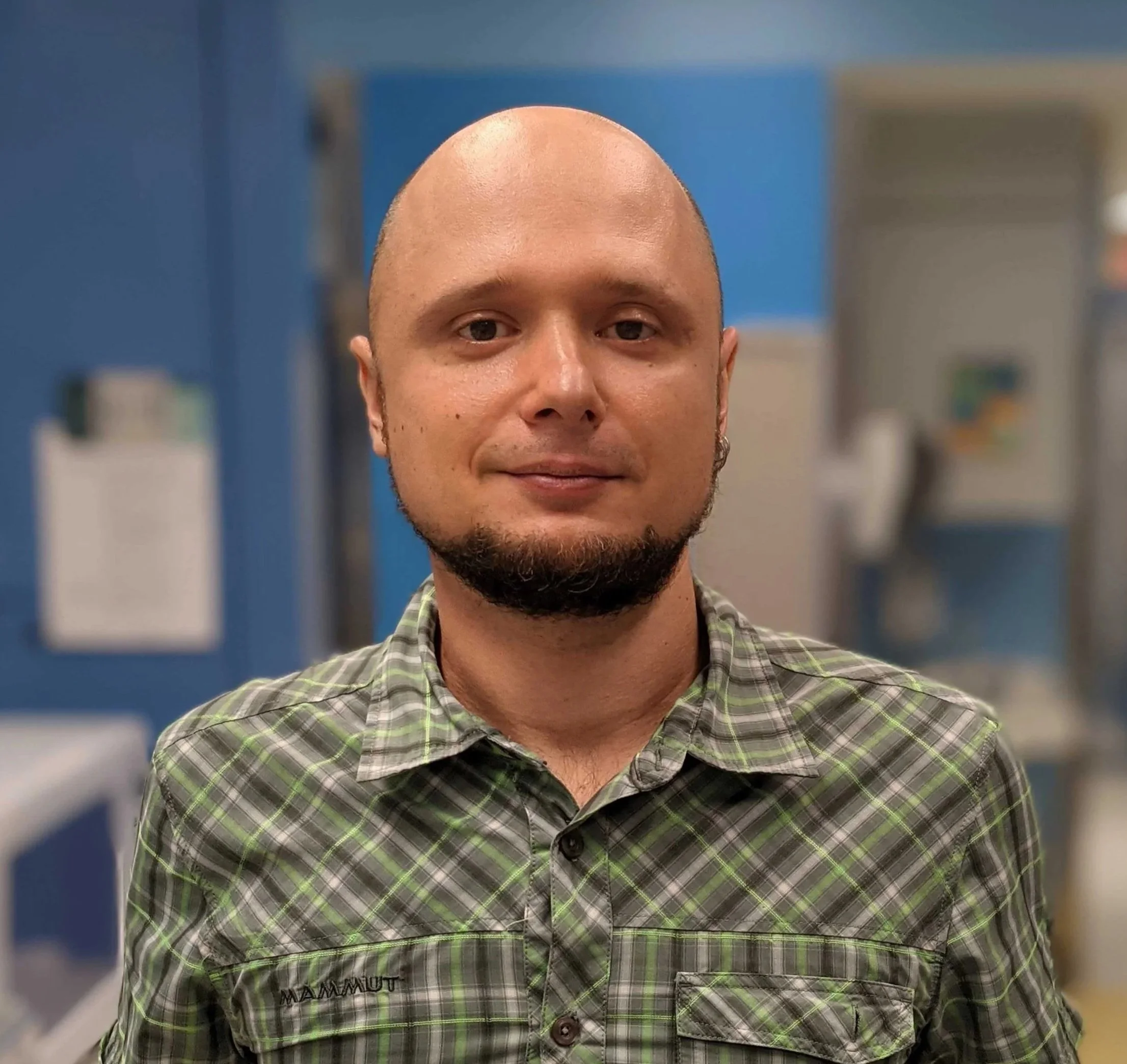
Serhii Filatov
Serhii was born and raised in Ukraine.
Serhii is a vector biologist and infectious disease researcher with a deep interest in the bionomics of soft ticks (Argasidae) and transmission dynamics of their associated pathogens. He has also contributed to the systematics, taxonomy, and faunistics of biting midges (Ceratopogonidae).
Serhii is highly experienced in field surveillance and GIS‐based methods to frame spatial epidemiological questions related to vectors and vector-borne pathogens. Using experimental parasitology, molecular assays, and computational models, he mainly explores genetic diversity, ecology, and pathogen–vector interactions in overlooked vector groups.
Besides vectors, Serhii has a strong interest in borrelioses. He will work on projects related to understudied spirochetes and their potential vectors. He will also contribute to the development of hybrid experimental models to study vector borne disease transmission without a vertebrate host.
Research Scientist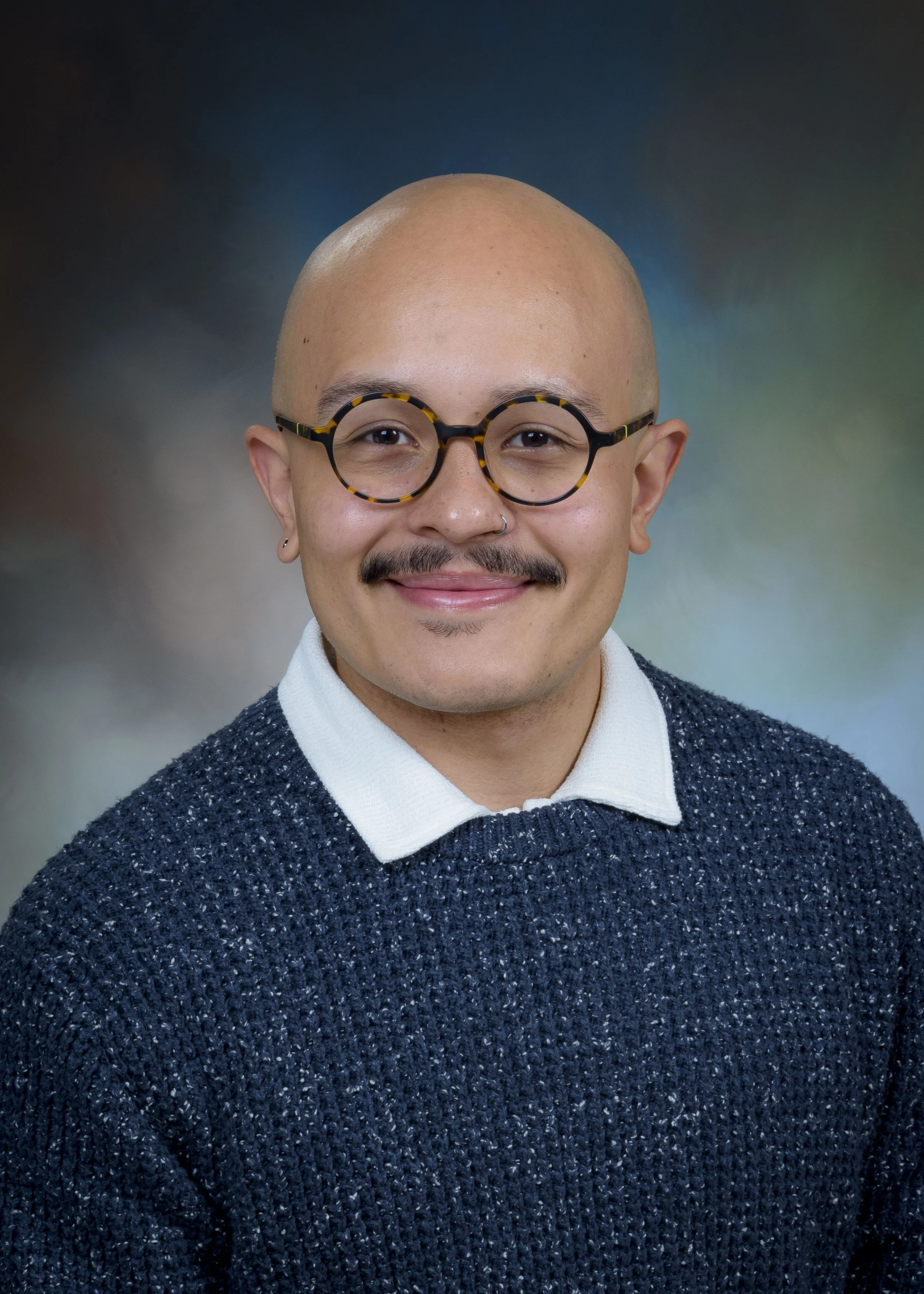
Giusseppe was born and raised in Colombia.
Giuseppe recently joined the team as a Research Associate and is expected to enroll in our Graduate Program in 2026.
Throughout his academic journey at Pontifical Javeriana University in Colombia, he was trained as a microbiologist and then focused on vector-borne diseases. His multidisciplinary training has spanned various sectors, including food, agriculture, pharmaceuticals, environment, and clinical contexts. His bachelor’s thesis focused on evaluating the efficacy of BG-Sentinel traps for monitoring Aedes mosquitoes in San Joaquín, La Mesa, Colombia.
As a Research Associate at UTMB, Giusseppe has been supporting various projects and contributed to the detection and characterization of various vector-borne bacterial agents in field samples. He has also embraced the role of lab microbiologist and supported his team mates with media preparation and bacterial culture.
He will be working on the dynamics of rickettsial co-infections and the risks of tick-borne pathogen spillover in agricultural settings.
Graduate StudentGiusseppe Troncoso Palacio

Jahkim Garos
Jahkim was born and raised in Nigeria.
Jahkim is a resident in Infectious Diseases in the Internal Medicine department of Jos University teaching hospital, Nigeria. She is a West African Center for Emerging Infectious Disease (WAC-EID) mentee. Her project focuses on the ecology and clinical manifestations of tick-borne relapsing fevers in Nigeria. In particular, she studies zoonotic cycles of relapsing fever borreliae in human, animal and arthropod samples.
Through the D43 Program, Jahkim was introduced to fieldwork and vector-borne disease investigation. She enrolled human participants with suspected relapsing fever and collected tick samples around their house. Next, she will attempt to detect and isolate borreliae.
D43 Fellow“An expert is a person who has made all the mistakes that can be made in a very narrow field. ”