
Our research
Overview
Our Research centers on vector-borne and zoonotic diseases, especially the ecology, transmission, and control of bacterial pathogens associated with ectoparasite or rodent vectors. We combine field ecology, laboratory models, and molecular and proteomic tools to address mechanistic and translational questions.
Pathogens of interest
We are primarily interested in highly neglected vector-borne and rodent-borne pathogens. These include bartonellae, rickettsiae, borreliae, leptospires, and Coxiella burnetii.
Experimental systems
We have experience in animal model development and alternative infection models such as embryonated chicken eggs, with attention to what each model can and cannot reveal about transmission, virulence, and host-pathogen interactions. We are passionate about building biologically informative experimental systems that support the ethical investigation of pathogenesis and other biological processes.

MALDI-TOF MS
✳︎
Bartonella
✳︎
Rickettsia
✳︎
Spillover risk
✳︎
Eco-epidemiology
✳︎
Medical Entomology
✳︎
MALDI-TOF MS ✳︎ Bartonella ✳︎ Rickettsia ✳︎ Spillover risk ✳︎ Eco-epidemiology ✳︎ Medical Entomology ✳︎
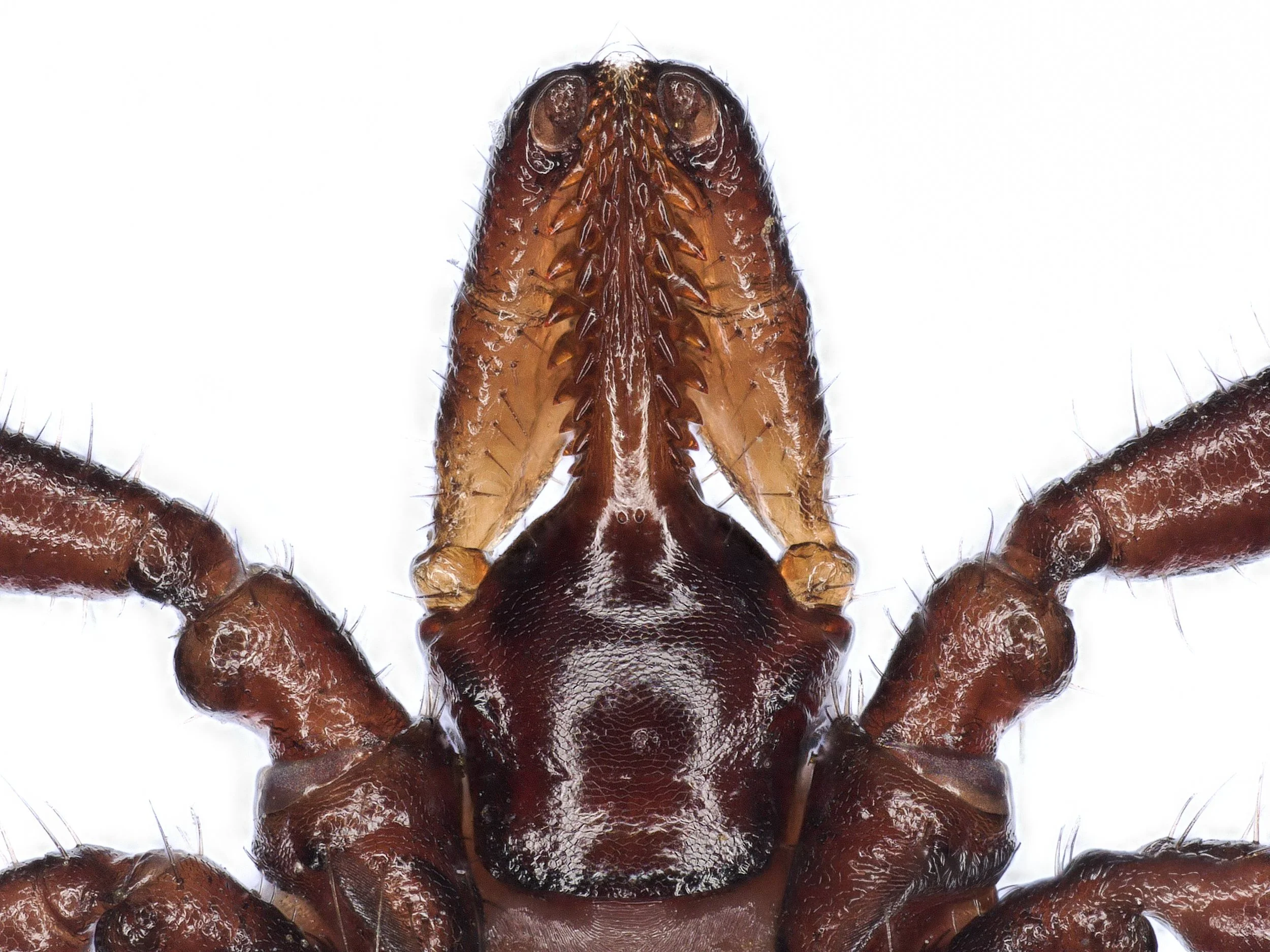
MALDI-TOF MS for Medical and Veterinary Entomology
For more than a decade, our Team has been developing mass spectrometry approaches for the surveillance of vector-borne diseases.We partner with multiple organizations and agencies such as the USDA and Bay Area Lyme Foundation to develop high-throughput, affordable, and user friendly assays to identify vectors and the pathogens they may carry.
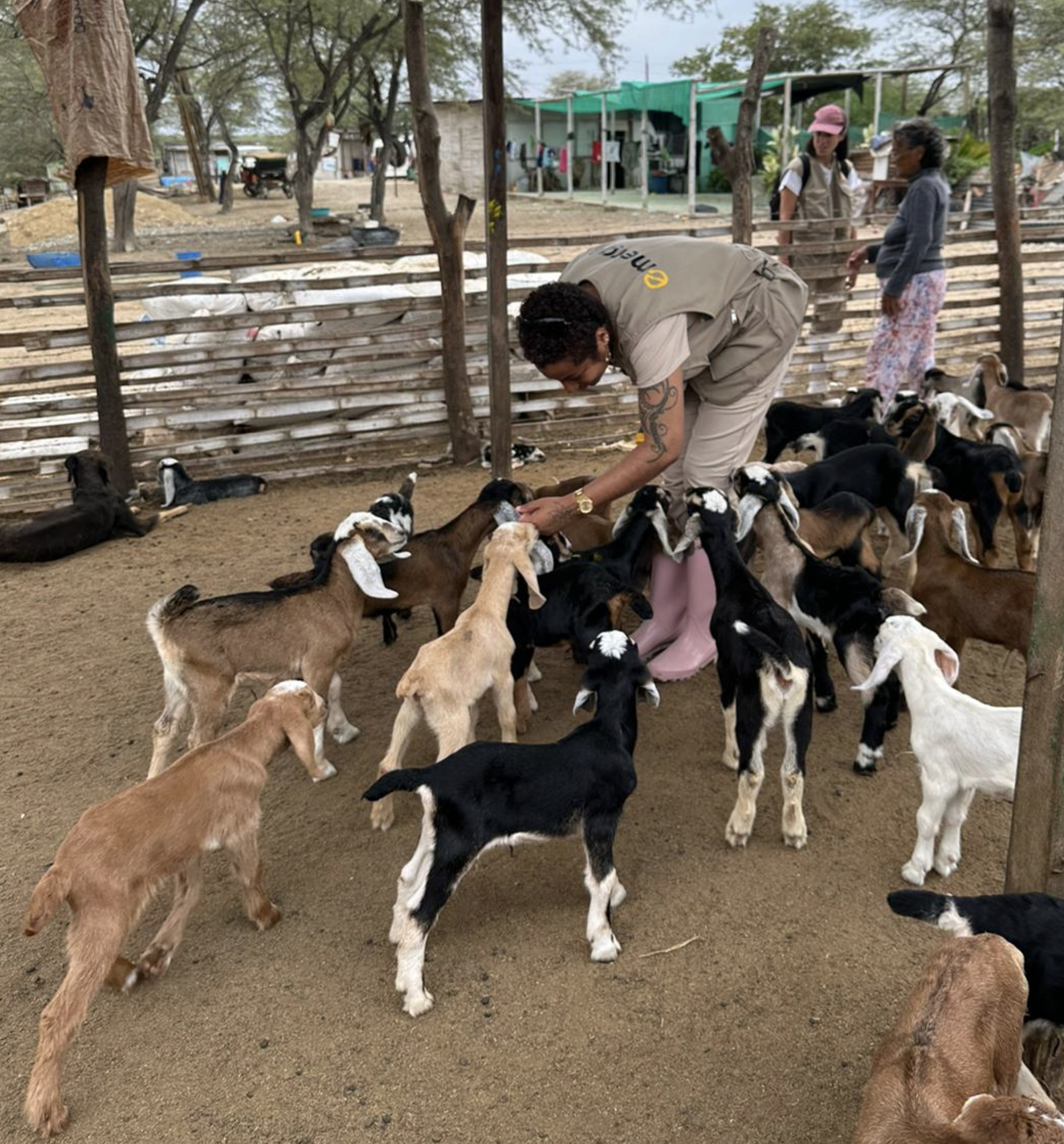
Pathogen transmission in agricultural settings
Using a highly integrated One Health approach, we perform extensive fieldwork followed by lab studies to evaluate the risk of transmission of vector-borne pathogens in agricultural settings.Farms bring together animals, people, vectors, and environmental conditions that can amplify pathogen circulation and create opportunities for spillover, food-system disruption, and economic loss. Agricultural settings also shape vector exposure through standing water, animal housing, grazing practices, and contact between livestock and wildlife.
Major livestock systems worldwide remain at substantial risk from tick-borne and other arthropod-borne diseases, with an added risk to human populations through the spread of zoonotic pathogens.
We use a combination of eco-epidemiological, microbiological, and entomological approaches to measure the risk of exposure to zoonotic pathogens, characterize the circulating agents and identify their potential vectors and reservoirs.
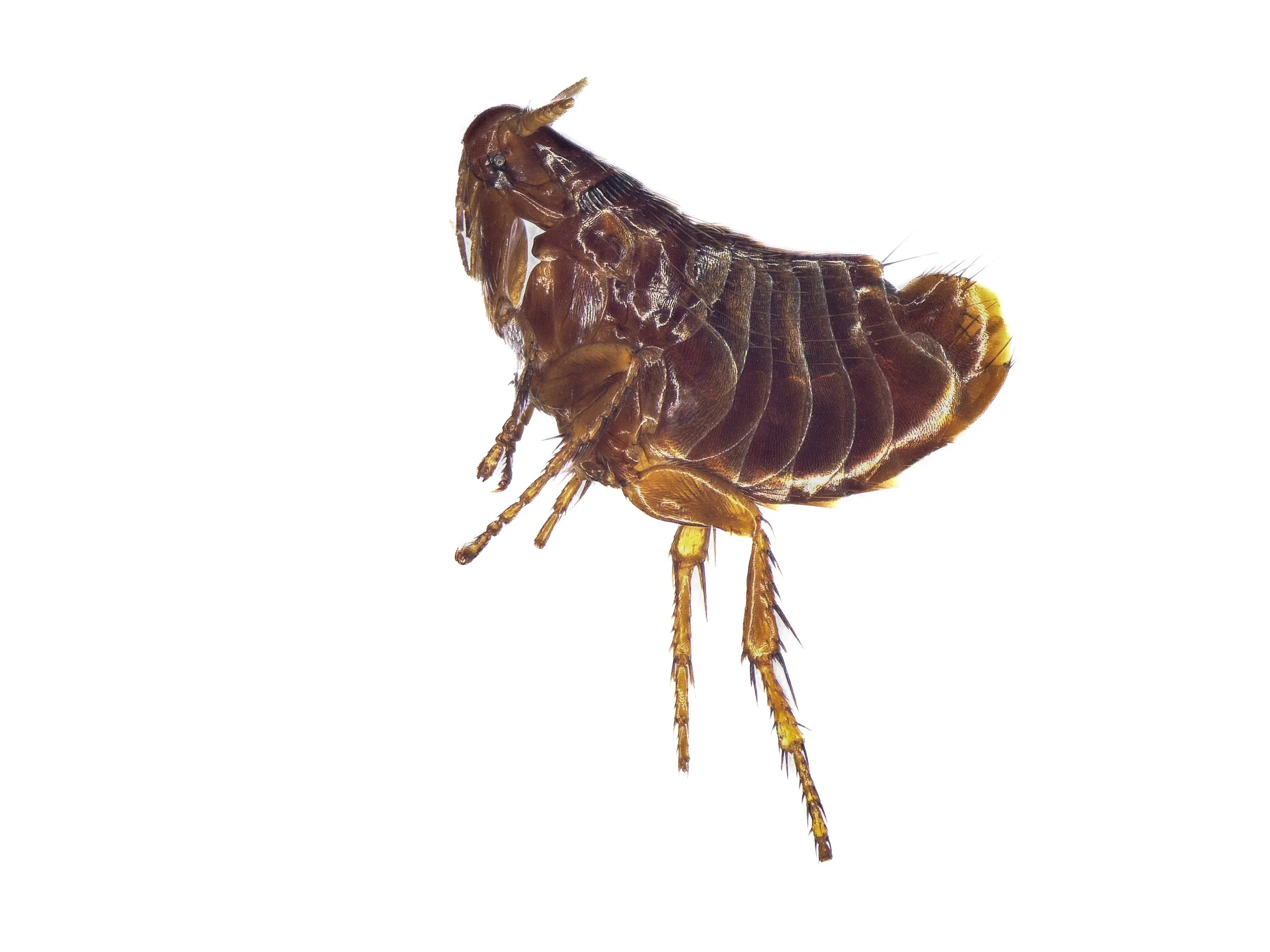
Bartonella pathogenesis
Bartonella is a genus of bacteria that can infect humans and animals, and the diseases they cause are collectively called bartonelloses. In humans, bartonelloses have a wide range of clinical manifestations, related in part to the bacterial species and host factors.

The most common human infection in the United States is cat scratch disease, caused by Bartonella henselae, but several other bartonellae are highly neglected despite being recognized as pathogenic.
We study bartonellosis from multiple angles:
Are the understudied bartonellae circulating in the U.S. associated with specific clinical manifestations?
Is chronic or long-term bartonellosis associated with reproductive disorders?
Are there alternate, understudied vectors ensuring the transmission of U.S. bartonellae?
Are people exposed to pathogenic bartonellae in U.S. urban environments?
In collaboration with Dr. David Walker and Dr. Lucas Blanton, we study the protection potential of a rickettsial species recognized as non pathogenic against Rickettsia rickettsii, the agent of Rocky Mountain spotted fever, the most severe vector-borne bacterial disease.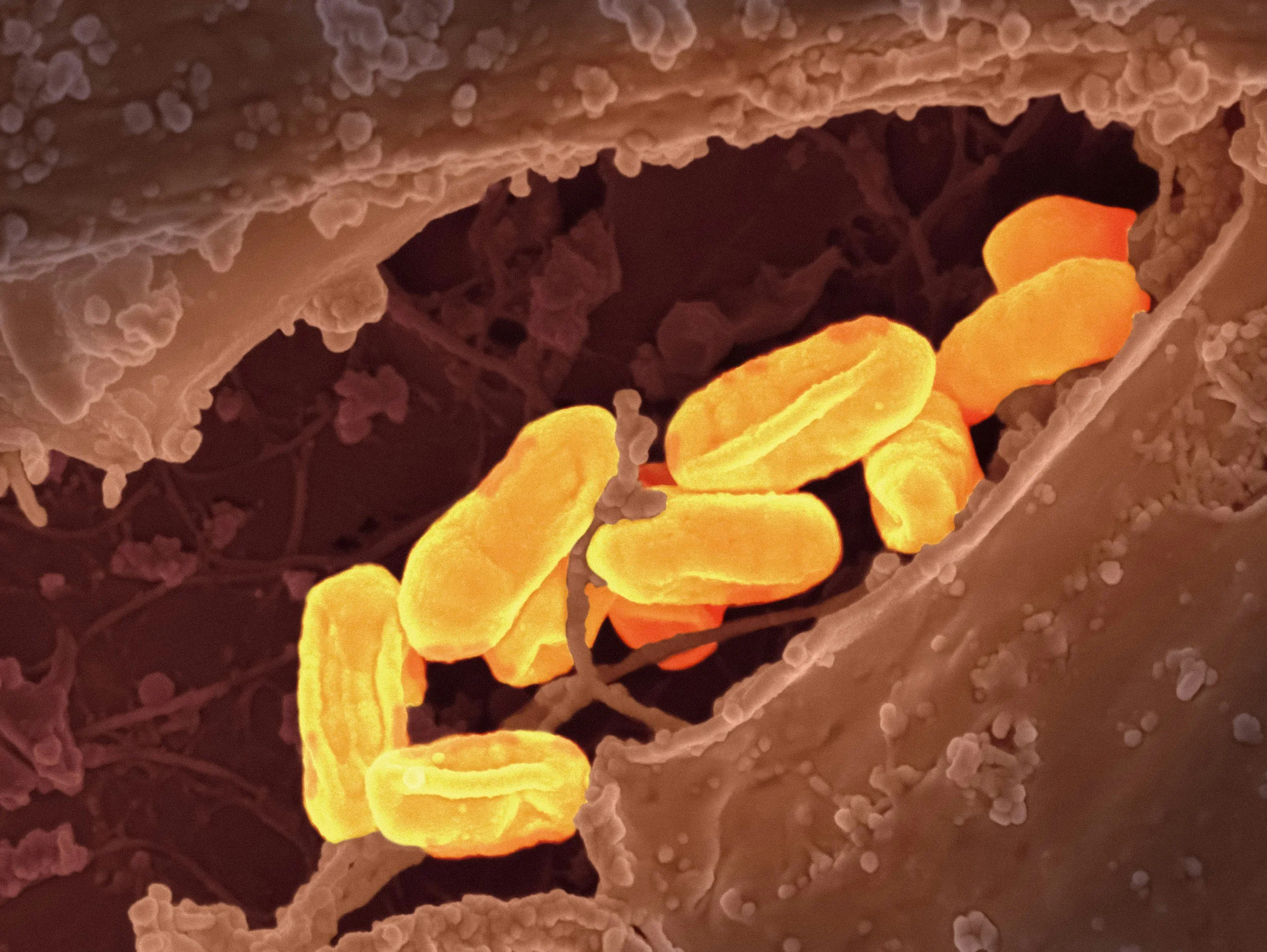
RMSF vaccines
“All models are wrong, but some are useful.”